Student innovation initiative
Project GRID
Project GRID is a youth-led innovation ecosystem helping students move from meaningful public problems to practical, tested solutions.
Visit official project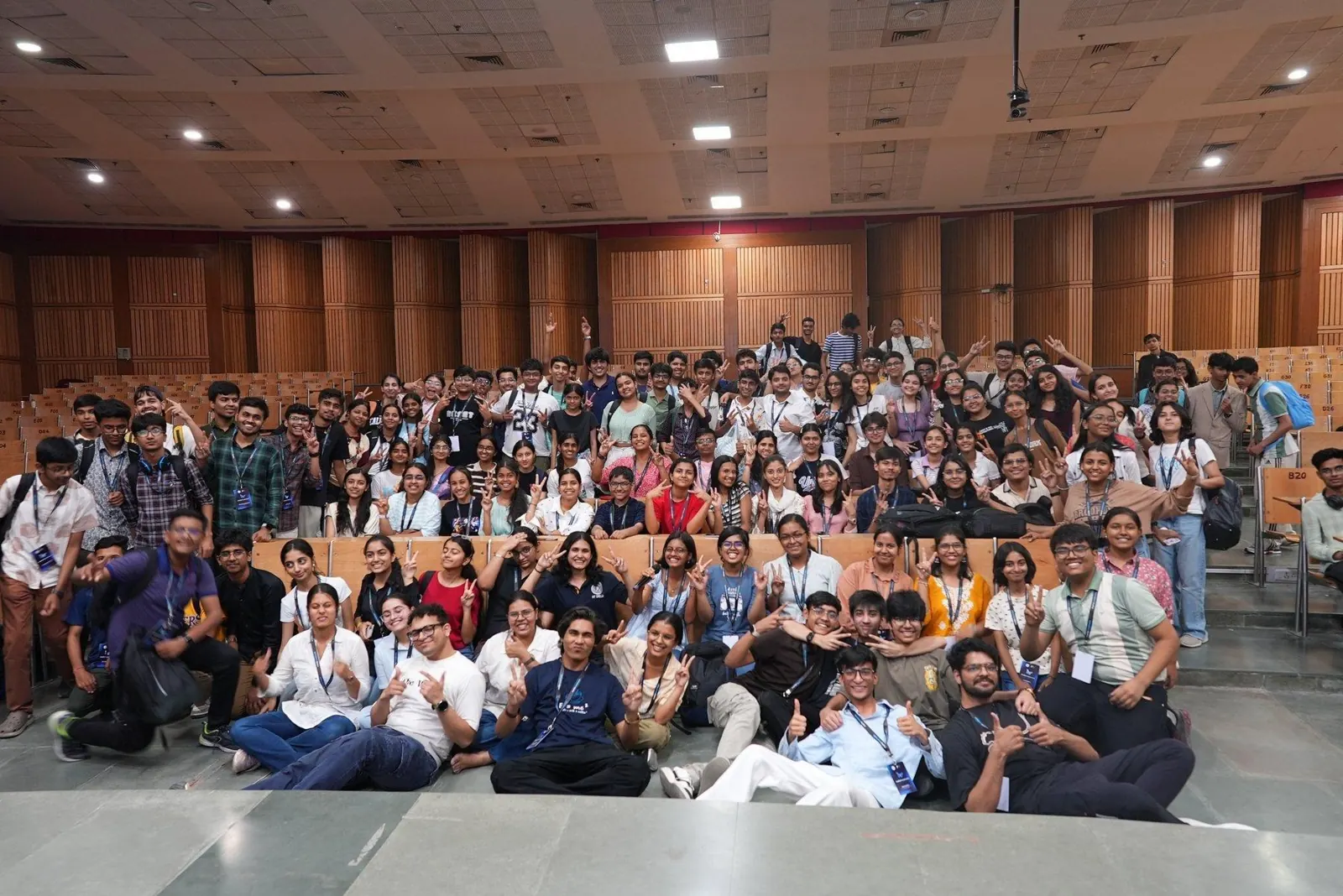
01 / Problem
What needed to change
A young person can care deeply about a problem and still have no clear route from curiosity to capability. Many innovation events stop at inspiration or a pitch, leaving students without verified problems, technical support, useful feedback, or a path toward a real pilot.
02 / My role
What I personally did
I co-founded GRID with Moksh Sindhwani and work across its technical and program architecture. My role connects challenge structures, low-bandwidth product thinking, submissions, judging, outreach systems, collaborator communication, and the digital environments that make each program understandable.
03 / Mechanics
How the system works
- 01Find verified public problems surfaced by communities, NGOs, schools, and civic partners.
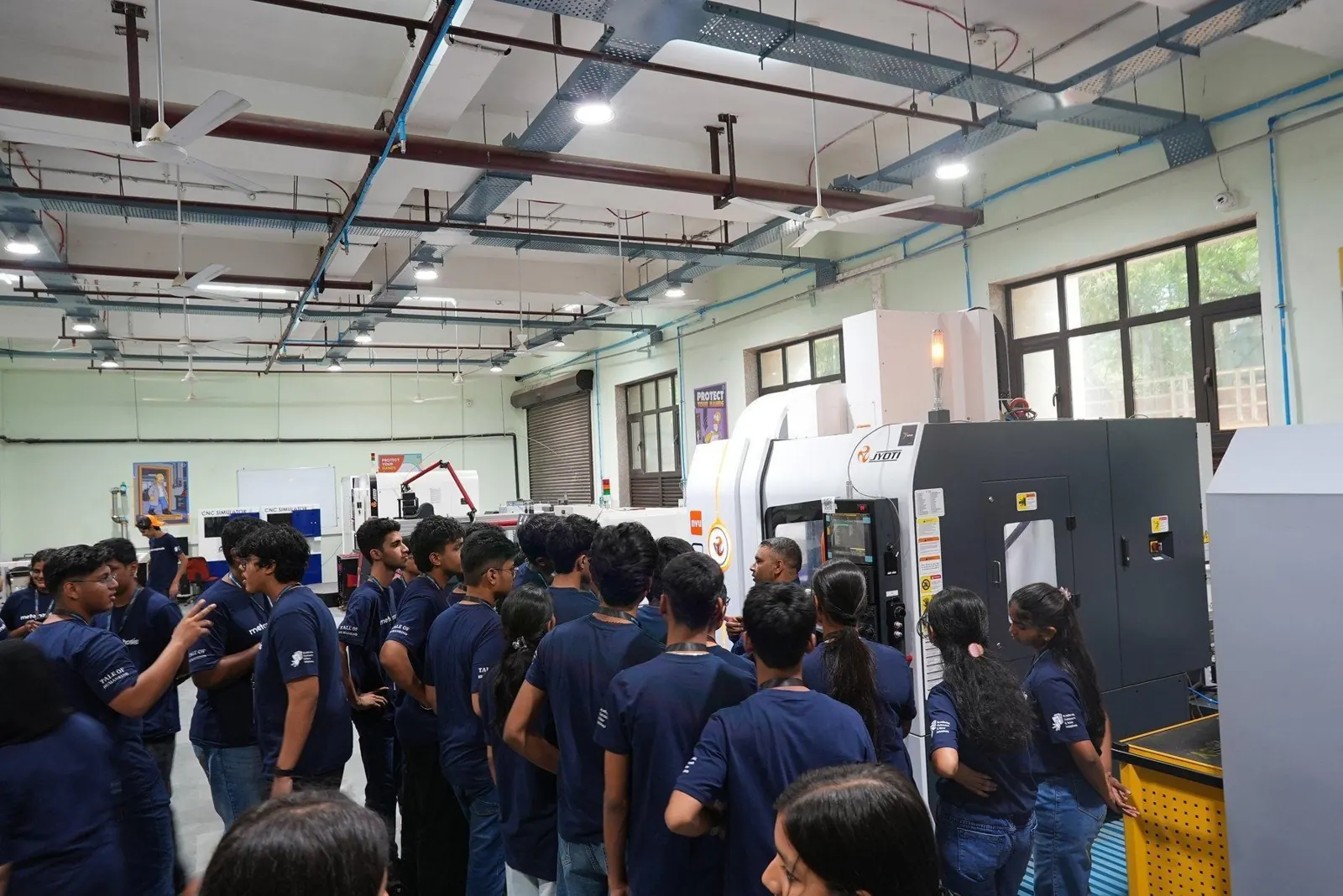
- 02Build practical responses through software, hardware, research, CAD, circuits, or documentation.
- 03Recognise, mentor, and pilot the strongest ideas through feedback and continued support.
- 04Aurora: a year-long global hackathon and changemaking festival designed for students in Grades 8-12.
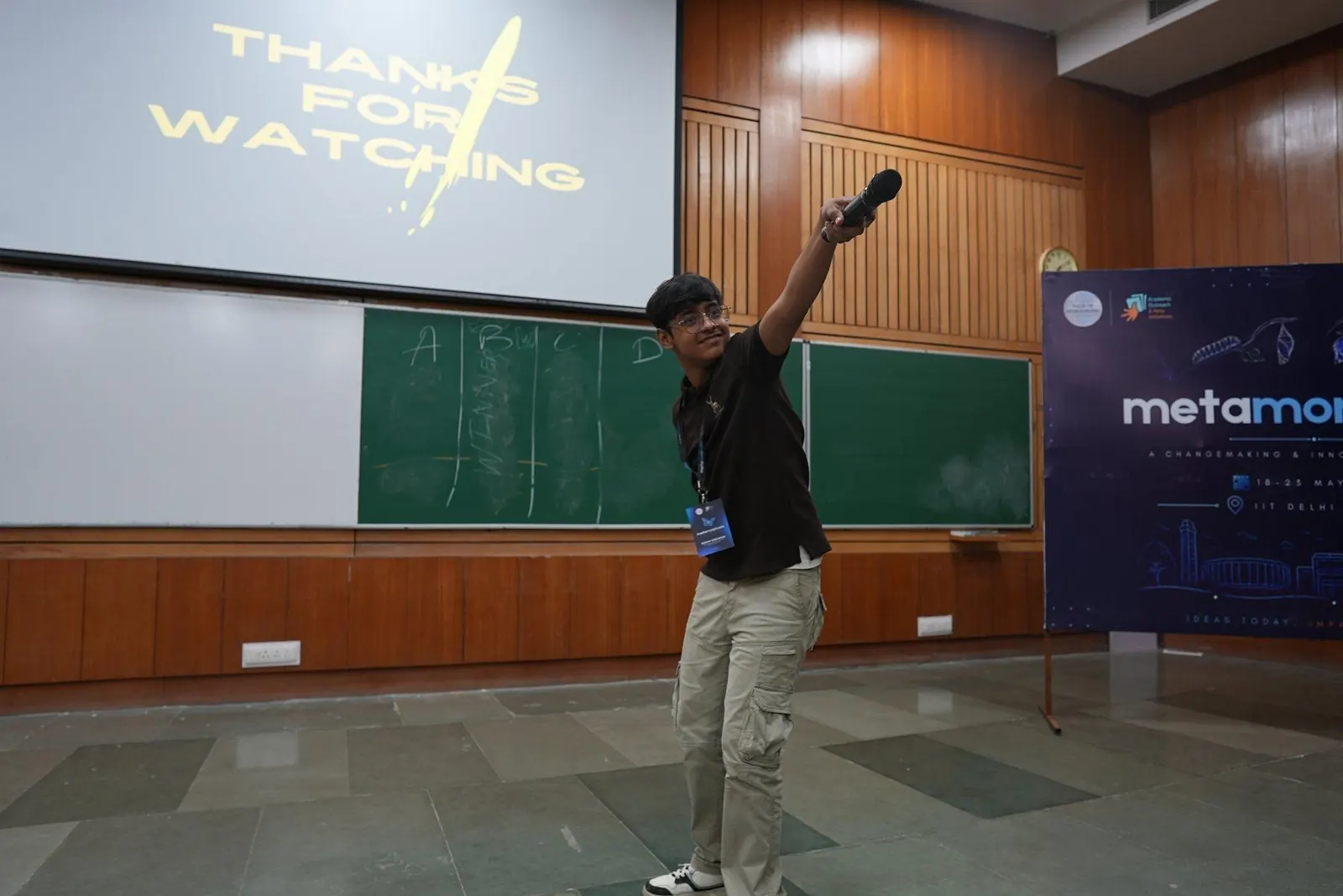
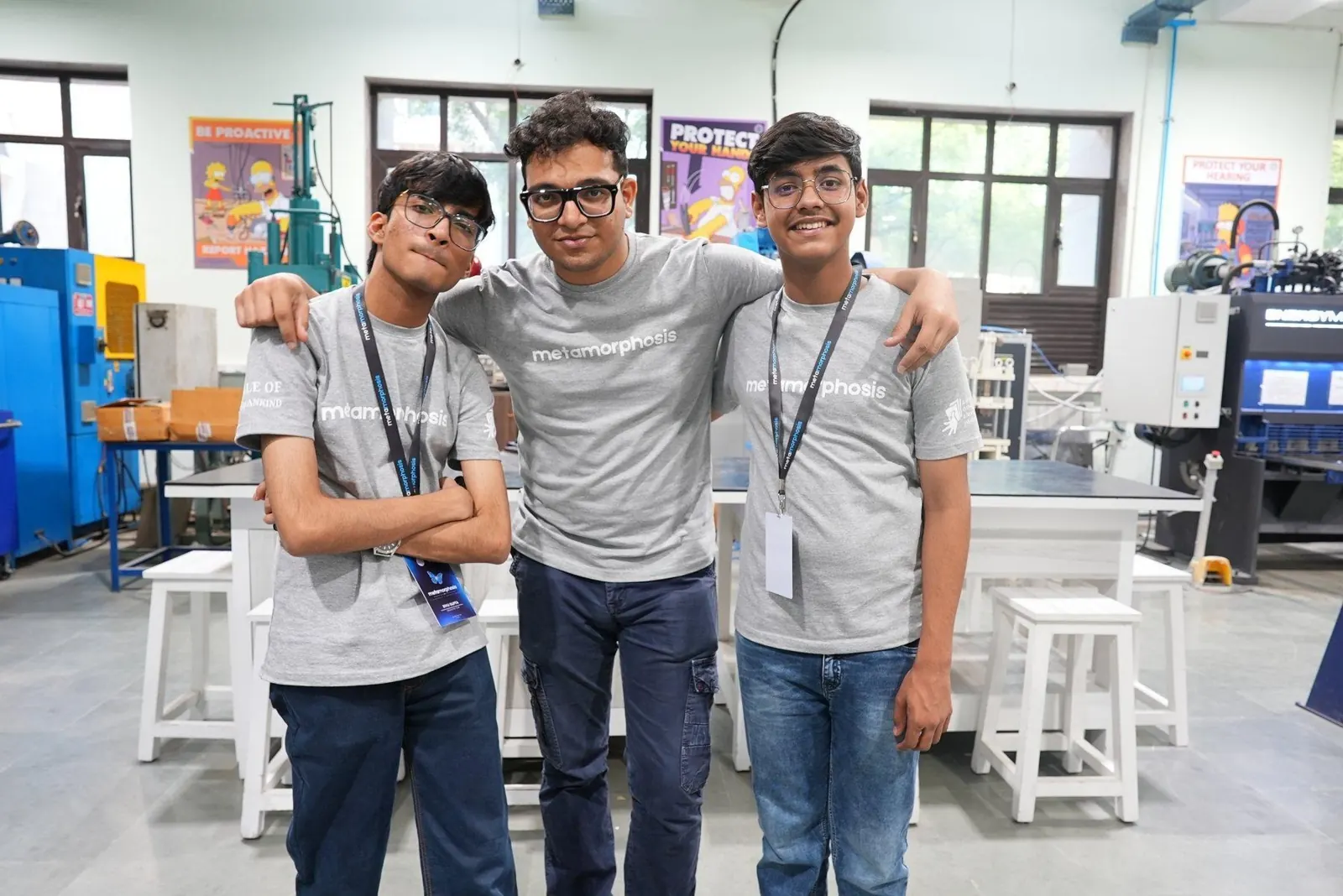
- 05Metamorphosis: outreach and organizing work that helps students identify problems, build early solutions, and continue after the bootcamp.
04 / Decisions
The product judgment
- Begin with a real need instead of an abstract innovation exercise.
- Treat software, hardware, research, documentation, and community partnerships as one journey.
- Design for access, including students in remote and under-resourced contexts.
- Make stages and expectations visible so ambition can become execution.

05 / Outcomes
What exists now
- Devpost publicly lists 264 participants for Aurora Global Hackathon.
- The official program describes four tracks, a 200-team shortlist, and 20 finalists.
- The official Aurora site names Apple and Featherless AI as program partners.
- The wider GRID model now connects problem discovery, building, mentorship, and public-use thinking in one student journey.
06 / Sources
Proof and claim boundaries
Public links are attached directly. Private records are identified but never exposed through the site.
Co-founder and CTO of Project GRID.
Organization records held privatelyAurora used a multi-stage format with four tracks, a 200-team shortlist, and a top-20 finalist round.
Open evidenceThe official Aurora site names Apple and Featherless AI as program partners.
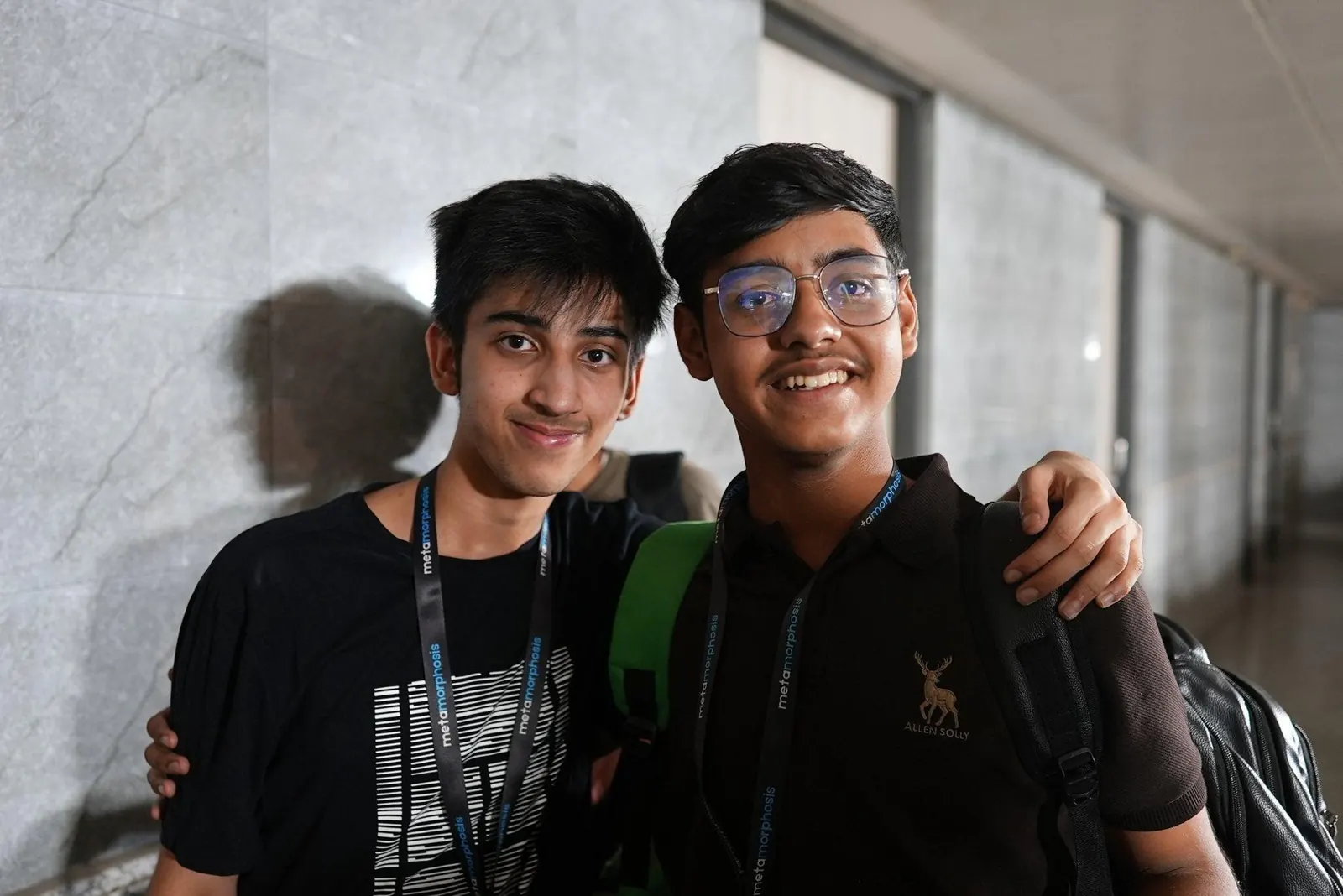
Open evidenceTanishq served on the Metamorphosis organizing team, while Project GRID served as an outreach partner.
Organizing and outreach documentation held privately