01Learning through feedback
Scratch made building feel immediate.
My first useful mental model for making things came from Scratch: an object has a state, an action changes it, and the person using it should immediately understand what happened. That was game logic, but it was also my introduction to product thinking.
I became interested in loops, pacing, constraints, and small reactions because they make systems easier to learn. That instinct still appears in how I structure a study workflow, a program journey, or an interface.
02Building from inside the problem
School made the problem personal.
Topperly began from the coordination problem I experience as a student: knowing what matters, finding the right question, starting before panic takes over, learning from mistakes, and returning with a clearer next move.
That proximity changed my standard for product work. A feature does not earn its place because it looks impressive in a presentation. It earns its place when it helps at the exact moment a student is tired, behind, or unsure what to do next.
YCB changed the scale of the question.
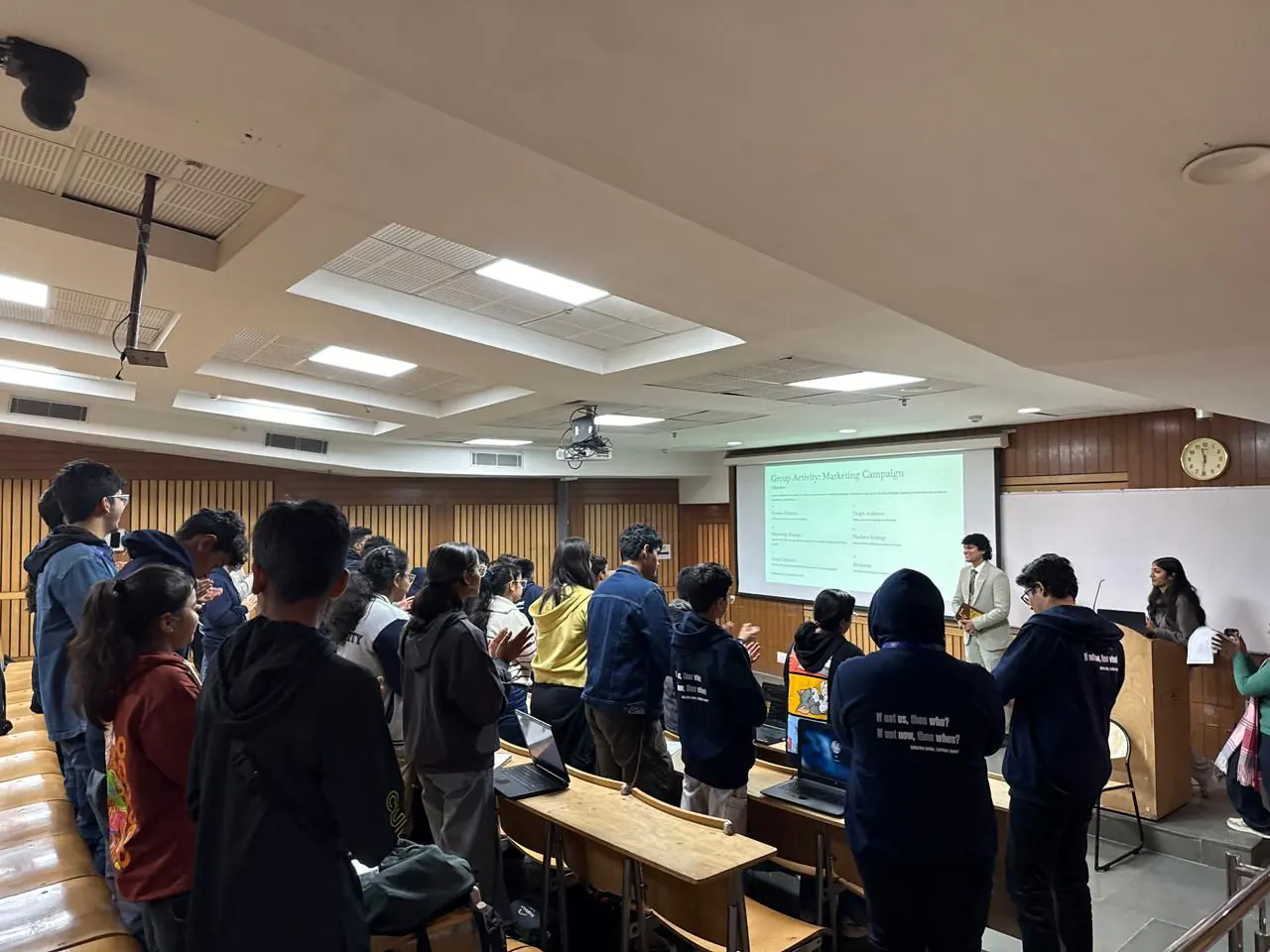
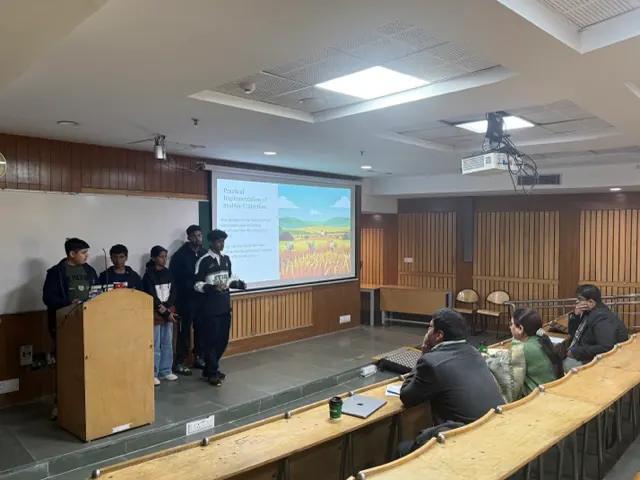
At the Young Changemakers Bootcamp, I moved from building alone to observing problems with a team, testing an idea, and presenting it under scrutiny. The official record lists me in Team Kṛ, which placed second in the Season 6 Ideas for Change showcase.
It matters in my story because it gave me the confidence to lead and collaborate. It is one formative chapter, not the centre of my current work.
Public YCB profile and Season 6 record ↗04From participant to organizer
Programs became products too.
Project GRID grew from a simple question: what happens after a young person notices a problem and has the beginning of an idea? Moksh Sindhwani and I began shaping an ecosystem where students could find meaningful problems, learn by making, and keep moving toward a tested response.
The model is deliberately practical: start with problems surfaced by communities, schools, NGOs, and civic partners; build with software, hardware, research, or documentation; then use feedback, mentorship, and pilots to help the strongest work travel further.
Through Aurora and organizing work connected to Metamorphosis, I learned that a program is a product too. Challenge framing, access, submissions, selection, judging, outreach, partner communication, and the public surface all shape whether a student can keep going.
Read the Project GRID case study ↗I keep turning messy work into legible systems.
Across Topperly, Project GRID, Aestrum, and Oroscan, my role keeps moving between product direction, interface design, prototyping, research, automation, program architecture, and the uncomfortable details required to make an idea coherent.
I am still a student, which means the work is happening alongside classes, deadlines, uncertainty, and constant revision. That is not separate from the story. It is the environment teaching me how to prioritize, recover, and keep shipping.